Get a sexual health check up
Test at home for chlamydia, gonorrhoea, HIV, syphilis, hepatitis B and C.
Bundle and save
Save up to 30% with our comprehensive and convenient test bundles.
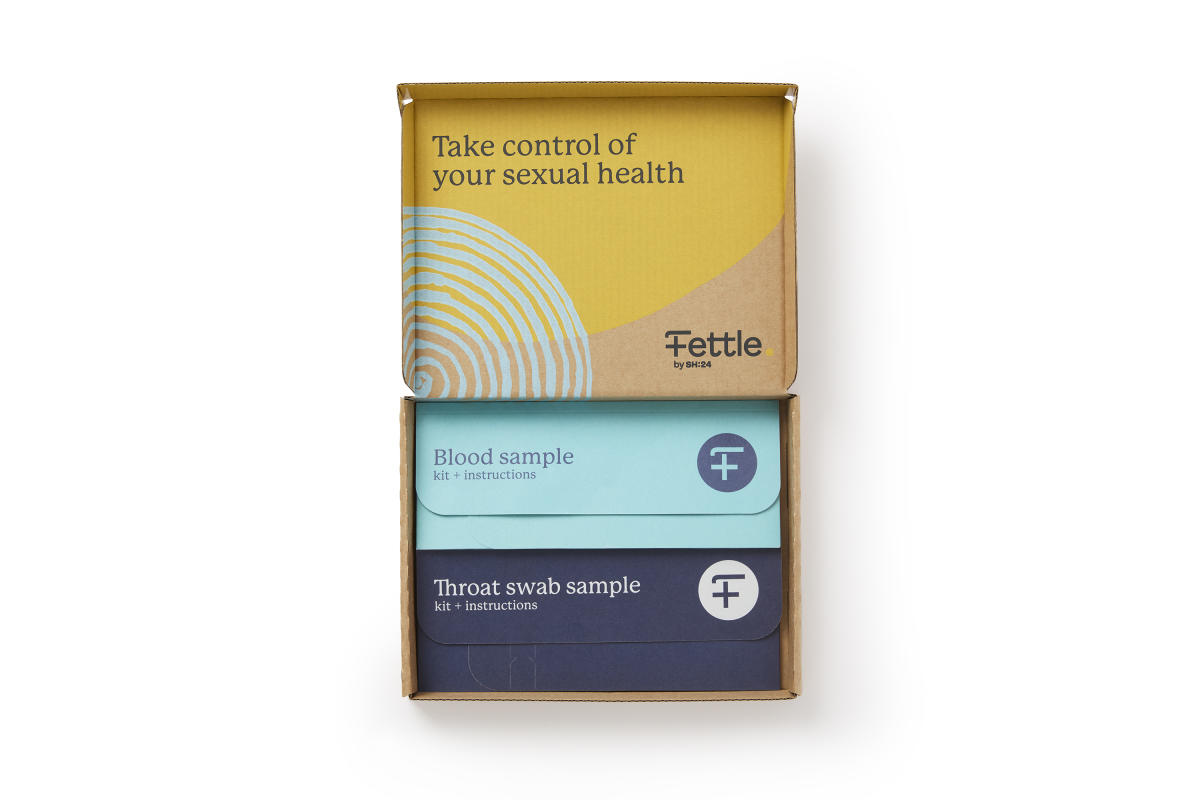
£131.20
Test for 6 STIs - gonorrhoea, chlamydia, hepatitis B, hepatitis C, HIV and syphilis
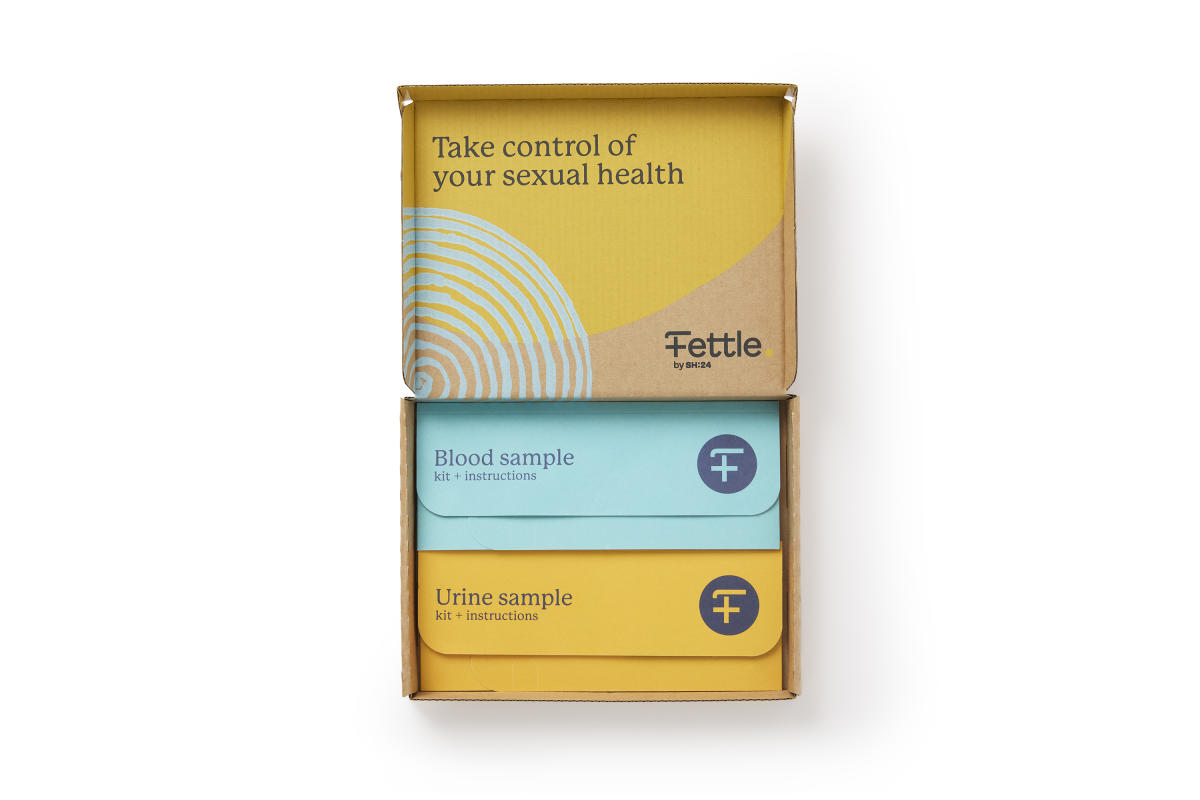
£159.60
Full at-home testing for all 3 types of gonorrhoea and chlamydia, plus hepatitis B, hepatitis C, HIV and syphilis
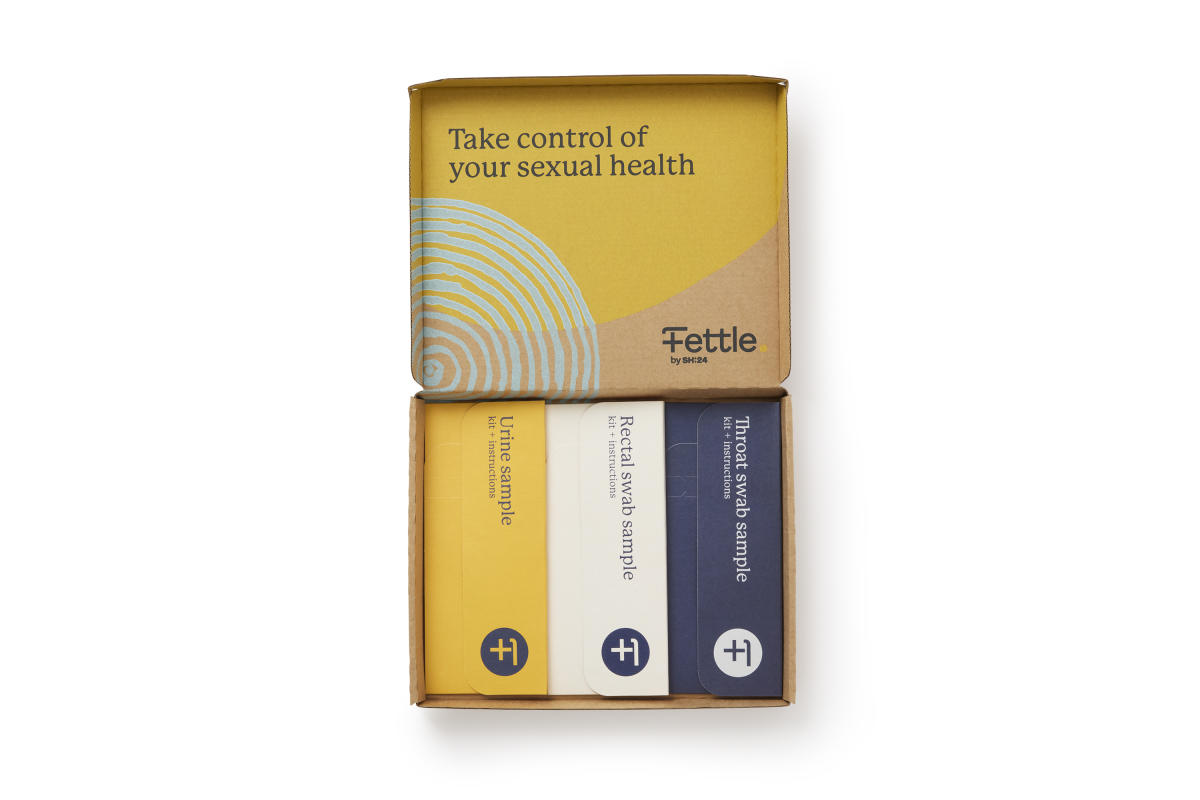
£86.40
Test for all 3 types of chlamydia and gonorrhoea - oral, rectal and genital
Our STI tests
Taking control of your sexual health has never been easier.

How it works

Order online
Tell us a bit about you and your health so we can help you find the right test.
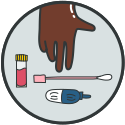
Test at home
Follow the instructions to take your test. If you need to send your samples to our lab, use the Freepost box we've included.

Fast, reliable results
Get your results within 72 hours of your samples arriving at our lab.

Free discreet delivery
We’ll deliver your home STI test in discreet packaging by 1st Class Royal Mail.
What our customers say
I’d never taken such tests before and I appreciated how simple the instructions were. Very efficient service. Put me at ease very quickly.
- Fettle customer
January 2026
The process was straightforward and the kit very well labeled. I appreciate that thought was put into the design to make it easier to use, but also not so 'clinical'.
- Fettle customer
May 2026
Well packaged, easy instructions and super quick results. Highly recommend!
- Fettle customer
January 2026
What should I test for?
STIs (sexually transmitted infections) can be passed from one person to another through sexual contact - including oral, anal and vaginal sex. They're sometimes called STDs (sexually transmitted diseases).
Some people are more at risk of STIs than others. So they may want to test more often or for specific infections. Find out more below.
Chlamydia
£32
Chlamydia is a common bacterial infection. It's easy to treat with antibiotic tablets.
If you're having sex, you should get tested. We recommend doing a test every year, or every 3 months if you regularly have sex with different people.
Symptoms can include a change in vaginal discharge, pelvic pain or irregular periods. Most people do not have any noticeable symptoms.
Test 2 weeks after unprotected sex for the most accurate results.
Gonorrhoea
£32
Gonorrhoea is a common bacterial infection. It needs an antibiotic injection to treat.
If you're having sex, you should get tested. We recommend doing a test every year, or every 3 months if you regularly have sex with different people.
Symptoms might include changes in vaginal discharge, pelvic pain or irregular periods. Most people do not have any noticeable symptoms.
Test 2 weeks after unprotected sex for the most accurate results.
HIV
£25
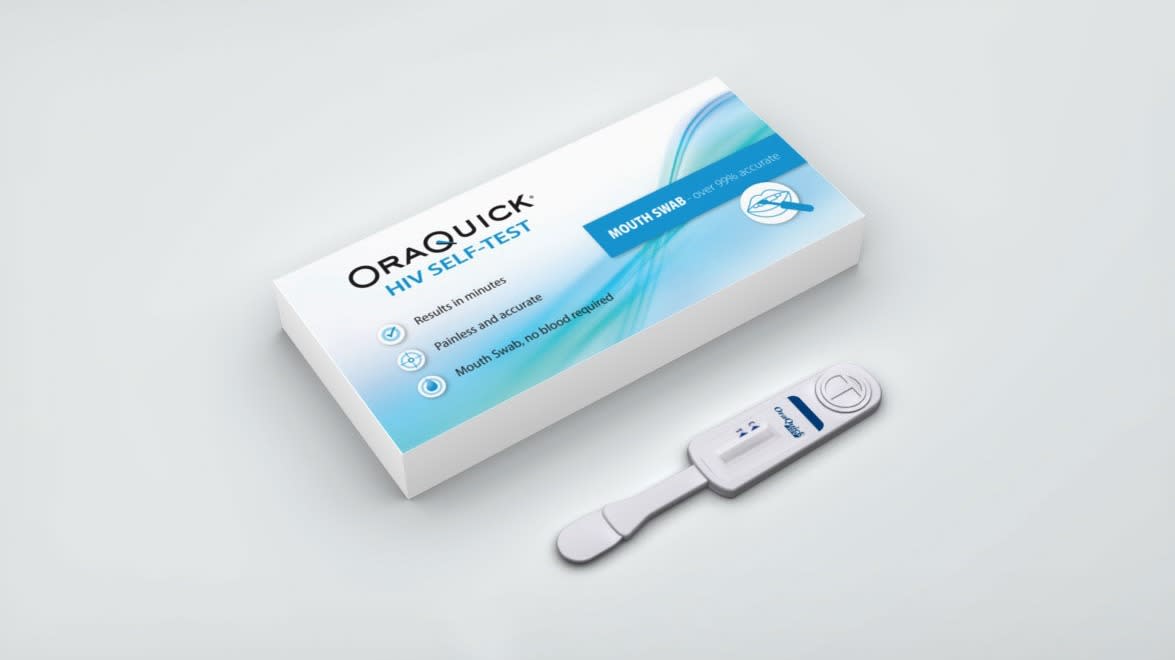
HIV is a viral infection that attacks the body's immune system. There’s no cure, but antiretroviral treatment can make the virus undetectable and untransmissible.
You should get tested if you've had unprotected sex, particularly if you've changed partners, are a man who has sex with men, or have multiple partners.
At first, symptoms might feel like a flu-like illness for a few weeks after infection. After this, people usually have no symptoms for several years. Over time the immune system becomes less able to fight off common infections.
For lab blood sample tests wait 7 weeks after unprotected sex for the most accurate results. For the Insti HIV test, wait 12 weeks.
Trichomoniasis
£39
Trichomoniasis is caused by a tiny parasite called Trichomonas vaginalis. It can be easily treated with tablets.
Testing is recommended for people with unusual genital discharge and other symptoms of trichomoniasis
Not everyone experiences symptoms, but they can include genital discharge, soreness and itching around the genitals.
Test results are most accurate 1 to 4 weeks after you’re first exposed to the infection.
Syphilis
£32
Syphilis is a bacterial infection that has 3 stages. It can be treated with antibiotics.
You should get tested if you’ve had unprotected sex, particularly if you are a man who has sex with men or you have multiple partners.
Symptoms depend on which stage the infection is at. In the first stage, it can cause a painless ulcer and swollen lymph nodes.
Test 12 weeks after unprotected sex for the most accurate results.
Hepatitis B
£34
A virus that can damage the liver. A free vaccine is available for those most at risk of infection.
We recommend this test if:
you’re a man who has sex with men
you’ve ever injected recreational drugs
you’re living with HIV
you get paid for sex or you pay for sex
you were born in an area with a high rate of hepatitis B, or you have sex with someone born in these areas.
Symptoms usually show in the first 6 months of being infected. They can include flu-like symptoms, sickness and diarrhoea.
Test 12 weeks after unprotected sex for the most accurate results.
Hepatitis C
£34
Hepatitis C is a virus that can infect and damage the liver. It can be treated with antiviral medication.
We recommend this test if you’ve ever injected recreational drugs, you’ve had sex that involves groups, unprotected anal sex or fisting, or you, or your partner, is living with HIV.
Symptoms usually show in the first 6 months of being infected. They can include flu-like symptoms, sickness and diarrhoea.
Test 12 weeks after unprotected sex for the most accurate results.
You can read more about other STIs that we don't currently offer tests for in our help centre.
How to use your test kit
All our test kits come with detailed step-by-step instructions to help you take samples at home. Here you can take a look at how to use our kits.

How to use your blood sample kit
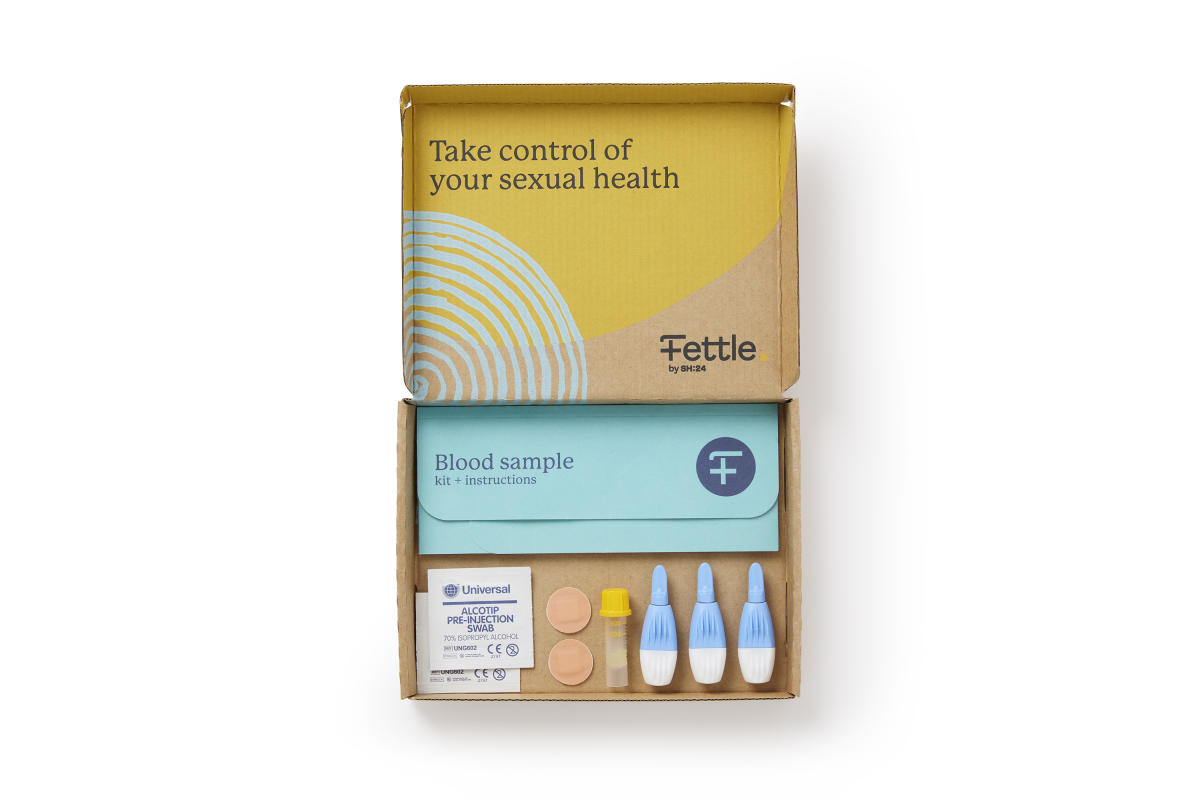
Use this kit to take a finger-prick blood sample that can be tested for HIV, syphilis, hepatitis B and hepatitis C. Check out our instructions and advice for taking your sample.
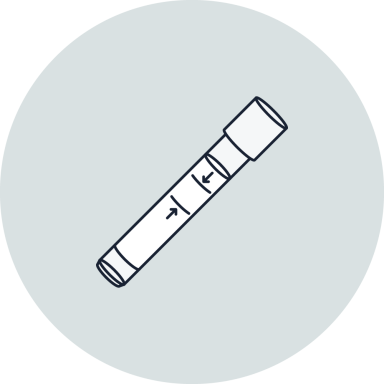
Urine sample
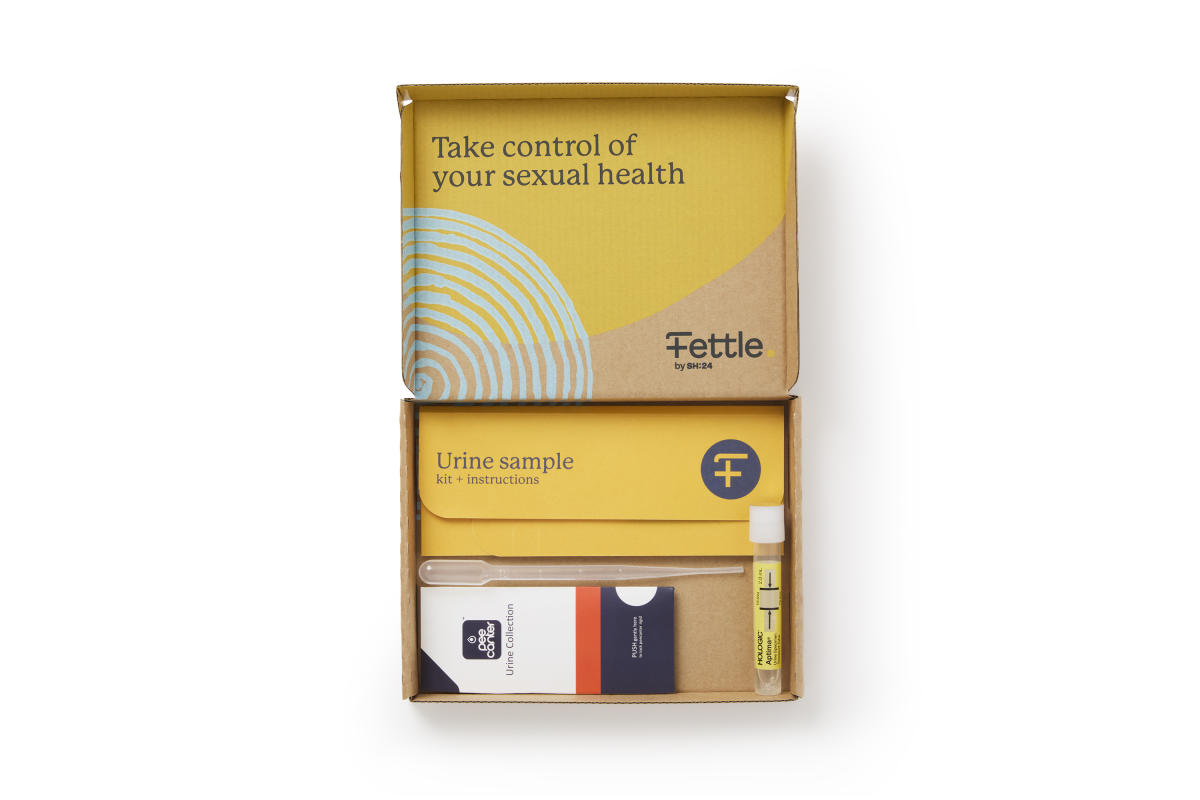
If you have a penis, we’ll ask for you to send a urine sample to the lab so we can test for chlamydia and gonorrhoea. Read our step-by-step instructions for taking your sample.

Vaginal swab sample
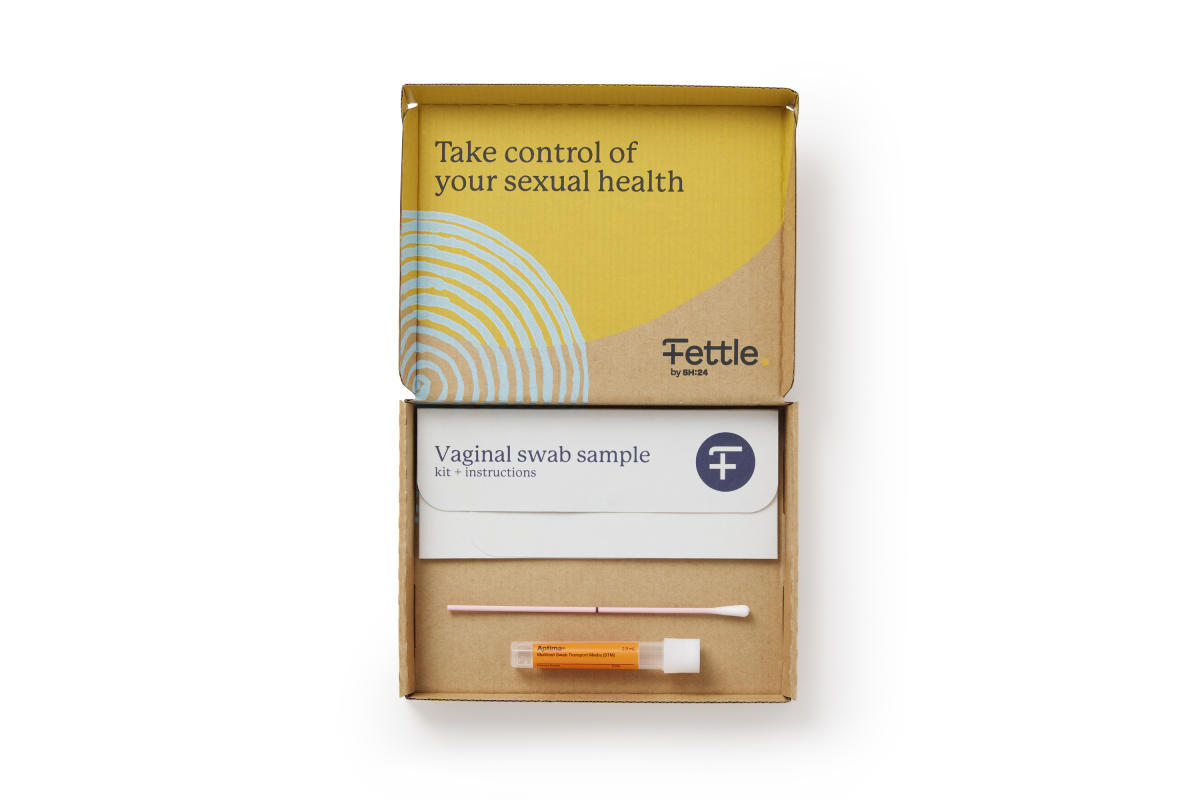
If you have a vagina, you can test for chlamydia and gonorrhoea by wiping a swab inside your vagina. Find out more about using your kit.

Throat swab sample
It can be possible to get gonorrhoea or chlamydia in your throat. If we send you a throat swab, you'll need to take a sample from the back of your throat to test for these infections.

Rectal swab sample
Gonorrhoea and chlamydia can be passed on during anal sex. If we need to check for infections in your anus, we'll include a swab in your kit so you can take a sample.
About STI testing
How home STI testing works
Our tests check for some of the most common sexually transmitted infections (STIs). We use similar tests that you’d get in a clinic, but we design our kits for you to use at home.
Our STI test kits include everything you need to take a sample of blood or bodily fluids for testing in our lab. Or for testing at home if you choose the Insti HIV test. This could include swabs for your mouth, vagina or anus, a urine tube, or a lancet to make a small cut on your finger. We’ll include an instruction card, a sample tube and a Freepost return box.
We asked people who’ve used our tests to help improve our instructions. Most people find the blood test easier after watching our short ‘top tips’ video. If you need help with any of your tests, ask us at any time.
How long does it take for an STI to show up on a test?
It can take time for STIs to show up in tests. This is called a ‘window period.’
If you’ve been at risk of an infection, or you’re worried that you may have come into contact with an STI, check the window period to see when a test will be most accurate. If you don't want to wait, test now and test again after the window period. Testing too early can mean the infection won't show up and your results will not be accurate.
Protecting yourself from STIs
STIs are bacteria or viruses that get passed on through sexual contact. This can be unprotected oral, vaginal or anal sex.
Condoms are the best way to reduce the risk of sexually transmitted infections. Male and female condoms protect you from most STIs. Regular testing can help reduce the spread of STIs. If you don’t know that you have an infection, you could be passing it on to others without realising.
Bacterial infections such as chlamydia, gonorrhoea and syphilis are treated with antibiotics.
HIV, herpes and hepatitis B and C are caused by viruses. They are treated with anti-viral medications.
If your test shows that you may have an infection, we’ll help you get the right treatment.
How often should I test for STIs?
We recommend testing for STIs:
every 3 months if you have sex with different partners
in 1 year if you're in a monogamous relationship
You do not need to get tested after every partner, but it's a good idea to get tested at the start of a new relationship.
What if I have an infection? How do I get treatment?
If you have an infection, we can help you get treatment and further support.
If your test result is positive for chlamydia, we can offer treatment by post. If you have complicated symptoms that require examination or further testing, we will help you find a clinic for treatment.

Reviewed by
Dr Paula Baraitser, Former Medical Director, SH:24Do you need help with something else?
Find your local sexual health clinic.
Find out where you can access medication to reduce your chance of becoming infected with HIV. It must be started within 3 days of exposure.
Find out about your emergency contraceptive options.